


Discovering Japan's Yakumi Culture in the Netherlands
LOST IN TRANSLATION: LIFE OF A JAPANESE GIRL IN ITALY
I recently visited the Netherlands for a university study trip.
One memorable visit was to Koppert Cress, a Dutch company supported by many leading chefs, including those working in Michelin-starred restaurants around the world. They supply microgreens and edible flowers to professional kitchens. They do more than deliver ingredients; they also offer new ideas and cooking inspiration.
Today, the company offers around 60 products. All of them are grown in greenhouses under carefully controlled conditions, in short cycles for a few weeks. By adjusting the growing environment in detail, they design flavour, colour, and appearance to match the vision of the dish they want to create.
Chefs can order blends such as Sushi Mix, Sakura Mix and Cocktail Mix, choosing them to suit their creative vision. During the visit, I tasted a wide range of varieties: daikon and shiso, as well as leaves mimicking oysters or orange juice, and even Stevia Cress, which adds a natural sweetness without the need for sugar.
I was genuinely amazed. A tiny amount could completely transform a dish: its flavour, aroma, texture, appearance, and even its overall atmosphere. Until then, I saw the small leaves placed on restaurant dishes as little more than decoration. But as I listened to their explanation, I discovered, for the first time, that there is an entire world of pairing microgreens with food. It was, in every sense, a gastronomic experience.


However, one comment from our host stayed with me: ‘Japanese people have been eating broccoli sprouts for decades. We already work with dozens of producers in Japan.’
He was right. My mother always adds them to her salads. She still tells me, ‘They're good for you’, and encourages me to eat them.
A thought suddenly came to me. Perhaps this superfood became so deeply rooted in Japan because Japanese people have long had a sense that a dish can still be transformed after it is completed. We naturally combine and add ingredients such as spring onion, ginger, shiso, sansho, myoga and wasabi. I had always thought of 薬味 yakumi as something secondary. But perhaps it is actually what determines the final impression of a dish.
When I talk with friends from Southeast Asia, I realise the importance of coriander. In hot and humid climates, it stimulates the appetite and softens the smell of meat and fish. In slow-cooked dishes, that strong aroma has a purpose. For me, however, coriander still tastes foreign.
But why did shiso, sansho, wasabi, myoga and ginger become so important in Japan?
Japan has abundant clean water, and a food culture built on eating the freshest fish. Rather than masking unpleasant smells, perhaps we value delicate, highly volatile aromas that enhance the ingredient itself.
Seen this way, the cold udon or soba I suddenly crave in summer is the same. On days I want to make something simple at home, I may not have tempura, meat or any other impressive toppings. But spring onion and ginger feel essential. Somehow, that alone makes it a complete dish. That small finishing touch brings out the flavour and completes the meal.

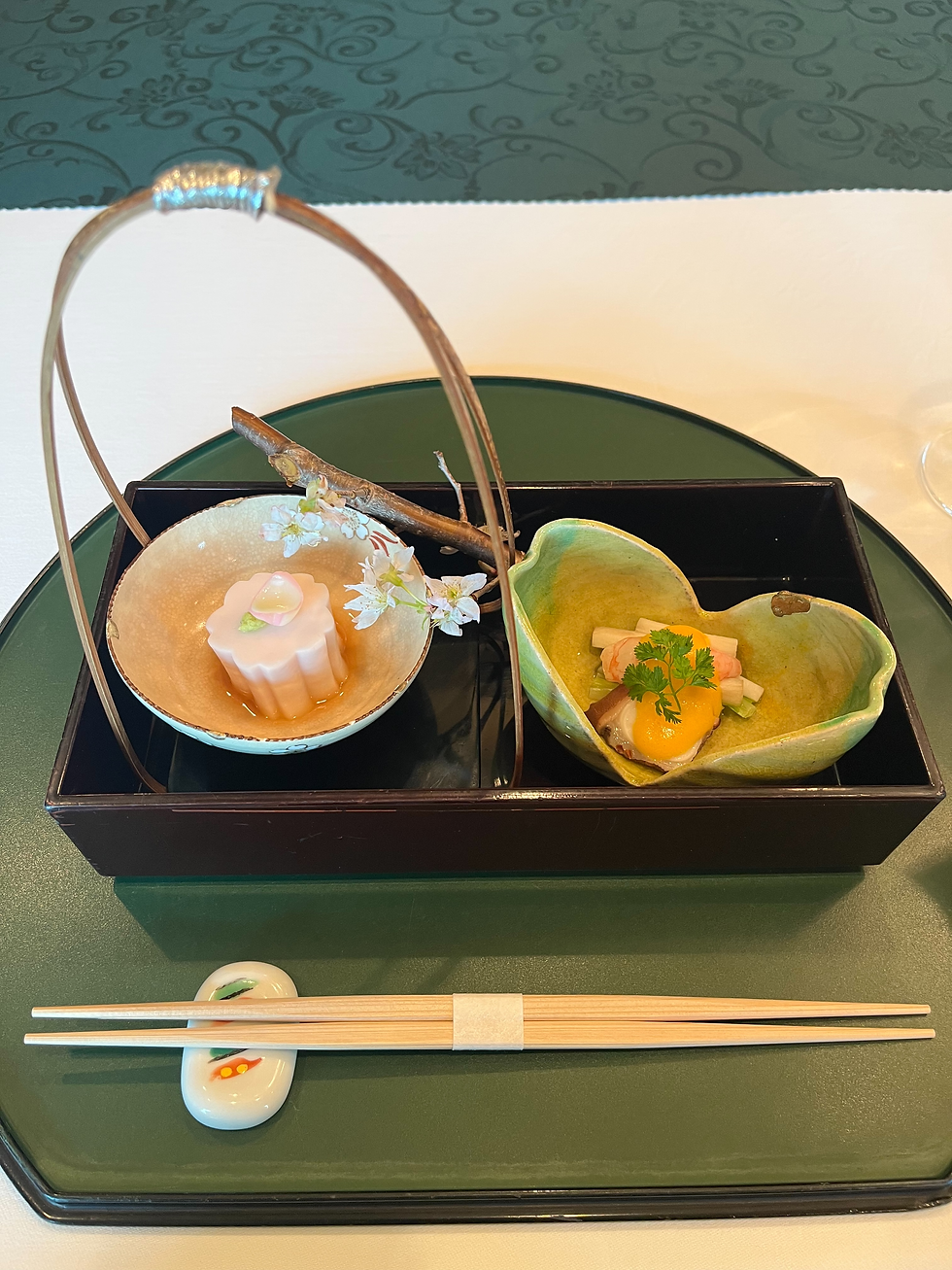
It was only after encountering cutting-edge gastronomy in the Netherlands that I began to see Japanese yakumi differently. Perhaps yakumi is a form of design: the final touch that completes a dish.
Follow our journey @movimento.metropolitano.


