Artisans and the Living City
When global systems falter, insecurity reaches our kitchens. We are told to worry about spreadsheets, but the answer isn’t found in a cargo ship. It is found in the artisan economy. Take Limoges in France, where the World Stuffed Cabbage Championship was held inside a porcelain factory. It wasn’t just about a recipe. It was a celebration of the artisan as the architect of our streets.

To the industrial eye, food is just a commodity, mass-produced for a long shelf life, not for nutrition.
Choosing real food over processed fillers means staying resilient in a fast-paced city.
Traditional methods are our timed-release mechanism for sanity. While the world moves at the frantic speed of AI, artisan culture demands the dignity of labour, and the presence of a human hand. This labour pre-digests the toxins that a stressed city can’t handle and transforms a transaction into a connection.
The true artisan economy is a table. Andrea Rasca’s years of opening regenerative community markets knows too well that it is our metropolitan anchor. In his vision for the movement, he argues that supporting small-scale artisans is the only way to build these spaces.

The market turns local trade into local trust.
When we eat together, we lower our collective cortisol. We bypass the ‘Perishability Tax’ of the global giants: the hidden cost of waste and plastic. We reinvest in social superfood: our community.
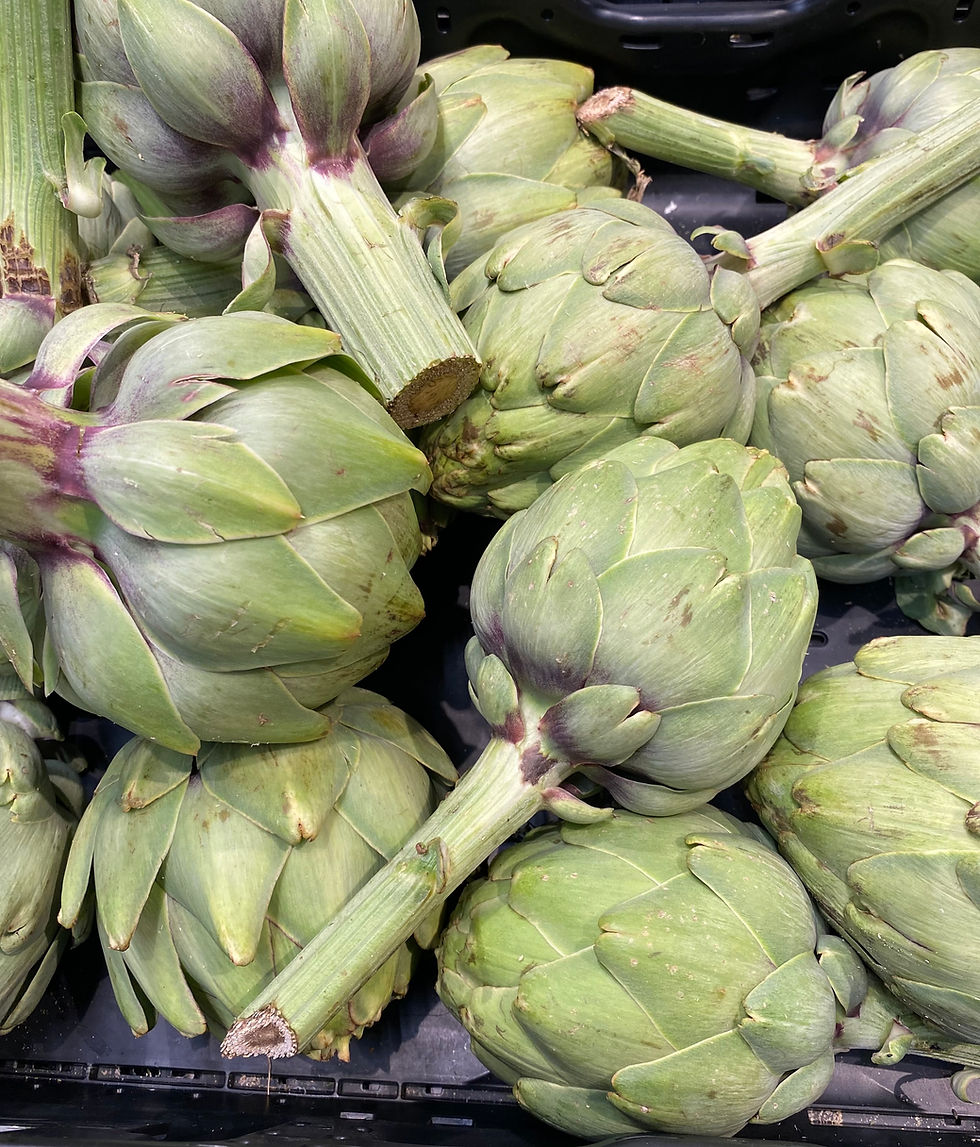
In an age of metabolic crisis, the artisan is our most vital architect. They protect the sovereignty of our streets. They keep the city human when the systems go cold. Local producers anchor our movement. They provide the raw energy our neighbourhoods need to survive. These makers ensure the city stays grounded and alive. Every producer strengthens the metropolitan fabric. Integration is no longer an option - it is the only way forward.
Follow our journey @movimento.metropolitano