An Ad Ban Isn’t Enough
Walk through any supermarket, and you’ll see shelves full of highly processed foods. We’ve come to see this as normal.
The UK government’s ban on advertising less healthy food and drinks may look like a big win for public health. It’s surely a step in the right direction, but we should not let it distract us from the bigger problem.
The Soft Drinks Industry Levy shows what can happen when policies encourage companies to change their products.
It has been linked to significant reductions in the amount of sugar in many soft drinks, showing that government action can influence what companies choose to sell.
Advertising restrictions, on their own, do little to change the financial pressures that shape the food system. Cheap ingredients and additives help companies keep costs down and profits up, encouraging them to make food that is inexpensive to produce but often low in nutritional value.
Unless we change these incentives, ultra-processed foods will continue to fill supermarket shelves.
Industry lobbying has long played a role in shaping food policy. Focusing mainly on advertising is less likely to disrupt the way businesses operate than policies that require companies to change the food they make or how it is produced.
If governments are serious about improving public health, they need to do more than restrict advertising.
They should also tackle the wider food environment that influences what people can buy and eat.
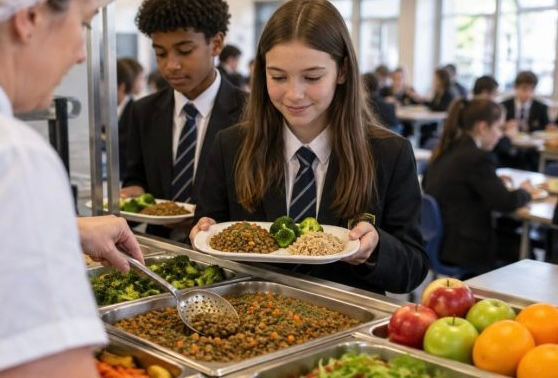
A better approach would combine stronger nutritional standards with policies that make it easier and more affordable to produce and buy healthier food.
Money raised through targeted health taxes could be invested in making fresh, locally produced food more available, especially in communities where healthy options are harder to find.
Movimento Metropolitano believes in a different kind of food system, one that gives local communities more control, strengthens local food networks, and involves people in shaping how food is produced and sold. Supporting local markets can make fresh food easier to access, reduce our reliance on long supply chains, and give communities a greater say in the food choices available to them.

Real change starts with understanding the food we eat. We need to look beyond branding, packaging and advertising to know what’s really in our food, where it comes from, and how the economic systems around us shape what’s on our plates.
Understanding what’s in our food helps people make better choices, supporting both individual wellbeing and public health.
Follow our journey @movimento.metropolitano